
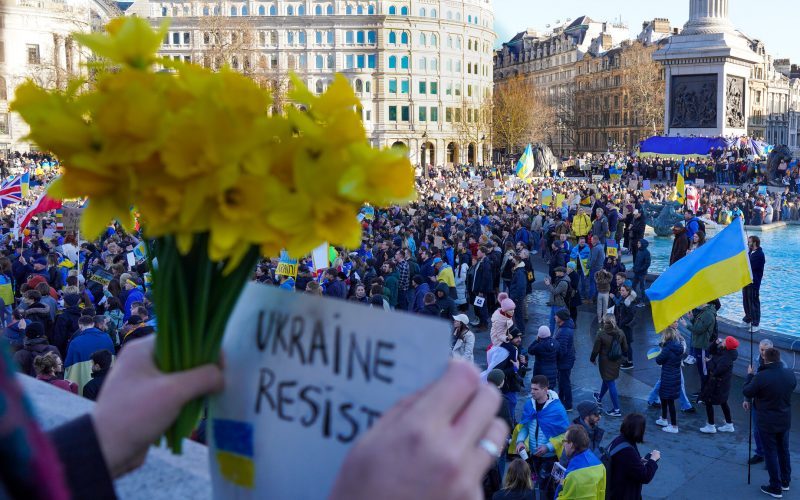
Ukraine
On Monday, two top officials, secretary of state Antony Blinken and defence secretary Lloyd J. Austin, went to Kyiv to meet with Ukrainian president Volodymyr Zelensky.
Then, on Tuesday, UN Secretary-General Antonio Guterres embarked on his trip to Moscow for talks and then finally visited war-torn Ukraine. During his visit to Kyiv, Guterres was a witness to airstrikes that were carried out by Russia.
In response to Europe’s sanctions on Russia and its arms support to Ukraine, Russia stopped gas shipments to Poland and Bulgaria, possibly leading to a gas crisis in Europe. However, Russia argued that the reason to halt gas supplies to these two countries was their unwillingness to pay in rubles – despite the fact that the contracts state that payments are to be made in either euros or dollars.
The countries that have been subject to Russian gas cuts will now receive gas supplies from other EU member states to compensate for the losses.
Russia
Two months into Russia’s war in Ukraine, the European Commission is preparing the sixth package of sanctions on Russia, and EU leaders are now finally preparing an embargo on Russian oil.
A final decision on the embargo is yet to be made. However, it is expected that there will be opposing voices within the EU. Mostly, Germany and Hungary have been critical of banning Russian oil, given that this would seriously harm their economies.
Amidst increased weapons deliveries from the west to Ukraine, the Russian foreign minister Sergei Lavrov accused NATO of engaging in a “proxy war” and emphasised once again that the threat of the war escalating into a nuclear conflict should not be underestimated.
On Monday, April 25, Elon Musk struck a deal to take over Twitter for roughly $44 billion, almost two weeks after Musk made a bid to buy the social media platform. The company first adopted a so-called “poison bill”, being alarmed by the proposal and wanting to prevent Elon Musk from taking over the platform. And yet, roughly ten days later, the company’s board decided to take thMusk’s offer and sell Twitter.
Assumptions on how the platform could change emerged after the deal was set, referring to some cues Elon Musk has given previously. For example, Musk has been very vocal about “free speech” and critical of the company’s content and moderation policies. It is thus likely that he seeks to implement some changes in this area. Moreover, it is possible that he will bring back people that have previously been banned from the platform.
In other News
Hungary: On Wednesday, April 27, the European Commission took a historic step and finally triggered the Rule of Law Mechanism against Hungary, which could result in the country losing its access to EU funds. You can read our take on it here.
Moldova: On Monday and Tuesday, several explosions struck Transnistria, the breakaway region in Moldova that is allied with and dependent on Russia, raising fears of Moldova being dragged into this conflict. Current investigations by Moldovan authorities suggest Russian involvement in the explosions. The event also heightened concerns that Russia would open up a new front to attack Ukraine.
Beijing: Further lockdowns are imposed in Beijing amid a surge of Coronavirus infections, just as Covid measures in Shanghai begin to ease.
That’s it for this week! Thank you for reading, and we hope you enjoyed this newsletter. If you would like to support this briefing, you can do so here.


Be First to Comment